

We are 40 bedded NABH & ISO certified multi- specialty hospital with 24 hours Emergency, Casualty and Accident care (EMS – Emergency Medical Service).
Pardi Hospital, National Highway # 48, Killa Pardi, Valsad - 396125. Gujarat. India
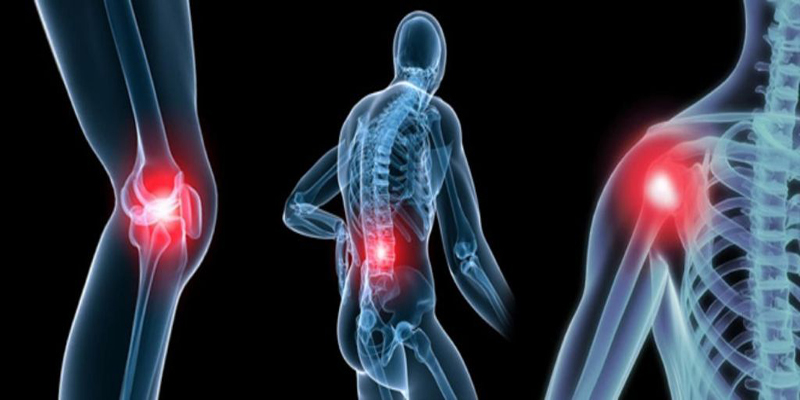
Pardi Hospital provides comprehensive and world-class orthopaedic services. This department offers specialized care in the field of complex trauma, poly-trauma and related sub-specialities. The Orthopaedic department at our hospitals delivers personalised care utilising the latest research and evidence-based medicine. The department provides management related to disorders of bone, joint and a variety of musculoskeletal disorders.
Orthopedic doctors (sometimes also called orthopaedic doctors or orthopaedic surgeons) at Pardi Hospital Orthopedic focuse on caring for your bones, joints, ligaments, nerves, and tendons. These parts of your body work together as musculoskeletal system. Orthopedic doctors assist patients in:
We treat sports-related injuries, which can be extremely painful and traumatic. Our sports medicine team works with surgeons to put sportspersons on a quick path to recovery. Arthroscopy, knee, shoulder and ankle arthroscopy, recurrent shoulder dislocation, rotator cuff repair, subacromial decompression, Msaicrominal and articular cartilage implantation are some of the other procedures done routinely.
We are equipped to diagnose and treat hand & upper limb surgery, which includes management of hand fractures, soft tissues of hand, malunited fractures, infections of hand and upper limb crush, hand injuries, tendon, nerve repair, reconstruction, tumours of hand and upper limb, congenital deformity, rheumatoid hand, soft tissue affections, elbow, radial head and joint replacement.
Pardi Hospital's orthopaedic department has a team of trained surgeons from India and abroad. In addition, efficient occupational therapists, physiotherapists and pain management experts work towards the quick rehabilitation of the patient leading to a better quality of life.
Orthopaedic surgeons deal with the problems of the musculoskeletal system, which may involve the following:
Apart from the diseases and conditions of the musculoskeletal system, orthopaedics can also specialise in certain other areas like the spine, shoulder, hand, foot, ankle, hip or knee. Specific fields that they may choose to focus on include paediatrics, trauma or sports medicine.
The first thing that an orthopaedic surgeon will do before performing a physical examination is to ask about the history of illness or injury. They will then move forward to diagnostic studies, such as x-rays and blood tests. After the diagnosis and informing the patient about the problem, they will come up with a treatment plan to help them live an active and functional life. The treatment can either be nonsurgical or surgical.
Certain musculoskeletal conditions can be treated without surgery. Orthopaedic surgeons can prescribe a treatment that involves medication, exercise, rehabilitation or alternative therapies. In cases when patients don’t respond to nonsurgical treatments, they recommend going for surgery.
There are several types of surgeries that an orthopaedic surgeon can perform. Some of the common procedures include: